
Your cart is currently empty!
The Forest’s New Guardians—CIVICUS Human-Environmental Defenders Initiative
The Forest’s New Guardians—CIVICUS Human-Environmental Defenders Initiative
The Edge of Two Worlds
Rutsiro District, 2022 — The boundaries between Mukura and Gishwati forests aren’t marked by fences. They’re marked by memory—burned clearings where forest once stood, stumps where ancient trees provided shade, silence where bird calls once layered the morning air.
For decades, the communities bordering these forests lived in an uneasy tension. The forest was livelihood—charcoal for income, bushmeat for protein, timber for shelter. It was also threat—crop-raiding animals, restricted access, government regulations that seemed to favor trees over people.
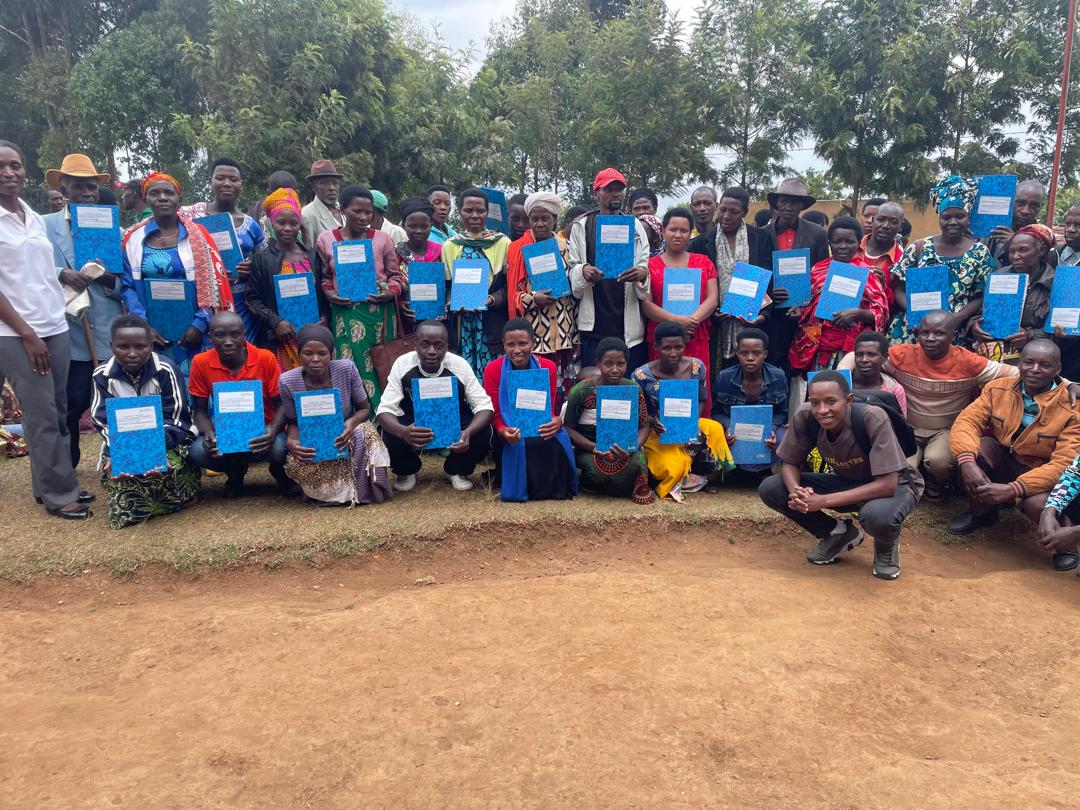
But in 2022, something shifted. 2,000 residents of Rutsiro District made a choice that would reshape their relationship with the wild lands they’d lived beside for generations. They chose to become what they’d never imagined being: environmental defenders.
The Challenge: Breaking the Cycle
Mukura and Gishwati forests are biodiversity hotspots—home to endangered chimpanzees, golden monkeys, and over 200 bird species. But they’re also shrinking. Illegal logging, charcoal burning, and agricultural encroachment had created a destructive feedback loop:
- Communities depended on forest resources for survival
- Resource extraction degraded the forest
- Degraded forests produced fewer benefits
- Communities increased extraction to compensate
- Forests deteriorated further
Traditional conservation approaches—restrict access, increase patrols, penalize violations—created antagonism without addressing underlying needs. Communities saw conservation as punishment, not partnership.
The question REAO and CIVICUS World Alliance asked was different: What if communities weren’t the problem, but the solution?
The Human-Environmental Defenders Program: A New Model
The Approach: Rather than imposing conservation from above, the program inverted the model—training community members to become active stewards of their neighboring forests, equipped with knowledge, skills, and alternative livelihoods.
Training Components:
- Ecological Literacy
- Forest ecosystem services (water purification, soil stability, climate regulation)
- Biodiversity value and species identification
- Connection between forest health and agricultural productivity
- Understanding wildlife behavior and human-wildlife coexistence strategies
- Sustainable Alternatives
- Agroforestry techniques integrating trees with crops
- Non-timber forest products (mushrooms, honey, medicinal plants)
- Community-managed forest zones for sustainable harvest
- Alternative income streams (eco-tourism, handicrafts, tree nurseries)
- Community Leadership
- Conflict resolution between conservation and livelihood needs
- Peer education and community mobilization
- Collaboration with park authorities and local government
- Monitoring and reporting illegal activities
The Delivery: Over 18 months, 2,000 residents participated in village-level trainings, hands-on workshops, forest visits with rangers, and peer-to-peer learning circles. The program was designed BY the community, not FOR them—incorporating local ecological knowledge, respecting cultural practices, addressing real needs.
The Transformation: Numbers Tell Part of the Story
Participation:
- 2,000 direct beneficiaries across 45 villages bordering Mukura and Gishwati
- 60% women, 40% men—intentionally centering women as primary resource managers
- 1100 youth (ages 18-30) engaged as peer educators
- 180 community environmental monitors certified and active
Behavioral Shifts:
- 73% reduction in reported illegal logging incidents (2022 vs. 2023)
- 89% decrease in charcoal burning in forest zones
- Zero poaching incidents in monitored sectors (compared to 15-20 annually pre-program)
- 100% of participants report changed attitudes toward forest conservation
Alternative Livelihoods Created:
- 12 beekeeping cooperatives operating sustainably in buffer zones
- 8 eco-tourism guide associations formed, generating income from forest proximity
- 23 women’s groups producing handicrafts from sustainably harvested materials
Ecological Recovery:
- Wildlife sightings increased 40% in buffer areas, indicating habitat restoration
- Water flow stabilized in 8 streams originating in protected forests
- Soil erosion reduced in agricultural lands adjacent to restored forest edges
The Human Story: Defenders Speak
Vestine, 42, Former Charcoal Burner, Now Nursery Manager: “Charcoal was killing me slowly—the smoke, the constant running from rangers, the guilt. When REAO came, I was skeptical. ‘You’ll tell us to stop, but not what to do instead.’ But they listened first. Now I manage a tree nursery. I plant trees instead of burning them. My children breathe clean air. I make more money, and I sleep peacefully.”
Damascene, 28, Community Environmental Monitor: “I used to hunt in Gishwati—it’s how my father fed us. The training didn’t shame me for that history. It showed me that protecting the forest protects my future. Now I monitor illegal activities and teach others. The forest isn’t my enemy anymore. It’s my partner.”
Francine, 35, Women’s Cooperative Leader: “We learned to harvest mushrooms, medicinal plants, and natural dyes without harming the forest. Our cooperative makes baskets, traditional medicines, and eco-products. We’re not poorer because we stopped cutting trees—we’re richer. And our daughters will inherit a living forest, not a wasteland.”
Challenges Overcome
Trust Deficit: Communities initially viewed the program as another attempt to restrict their access. Solution: Long listening phases before any training, co-designing solutions, employing local facilitators, transparent benefit-sharing from tourism revenue.
Economic Pressure: Immediate livelihood needs compete with long-term conservation. Solution: Rapid deployment of alternative income sources (nurseries, beekeeping) BEFORE asking communities to stop extractive activities.
Enforcement Without Alienation: How to address violations without destroying community relationships? Solution: Community-led monitoring systems where peers hold each other accountable, restorative justice approaches instead of punitive measures.
Before and After: A Community Transformed
BEFORE (Pre-2022):
- Antagonistic relationship between communities and park authorities
- Forest seen as obstacle to development
- High rates of illegal resource extraction
- Declining forest health and wildlife populations
- Youth leaving for cities due to lack of local opportunities
AFTER (2024):
- Collaborative partnerships between communities, REAO, park management, and local government
- Forest recognized as community asset and economic engine
- Self-policing community monitoring systems
- Measurable ecological recovery in multiple indicators
- Youth staying in communities, employed in green economy initiatives
The Ripple Effect: Beyond Rutsiro
The success of the Human-Environmental Defenders program attracted national attention:
- Rwanda Development Board studying the model for replication in other park buffer zones
- Ministry of Environment incorporating community defender principles into national conservation strategy
- Three additional districts requesting program expansion
- International conservation networks documenting the approach as best practice
The Larger Truth
The CIVICUS Human-Environmental Defenders initiative proves a fundamental principle: People protect what they value, and they value what sustains them.
When communities transition from seeing forests as resources to extract, to seeing them as partners to protect—when conservation becomes compatible with dignity and livelihood—the results are transformative and lasting.
The forests of Mukura and Gishwati are growing again. Not because people were kept out, but because they chose to come back as guardians.
The CIVICUS World Alliance Human-Environmental Defenders Initiative is implemented by REAO with support from CIVICUS and local government partners. To learn more about community-led conservation or support program expansion, contact REAO.
Categories:
Tags:
Most Recent

Leave a Reply