Your cart is currently empty!
From Classroom to Conservation—Sullivan’s Trust Environmental Education Program
From Classroom to Conservation—Sullivan’s Trust Environmental Education Program
Seeds of Change: When Theory Meets the Wild
Rusizi District, 2011 — Sixteen-year-old Marie clutched her notebook as the school bus wound through the misty mountains toward Nyungwe National Park. Like most of her classmates, she’d learned about biodiversity in textbooks, memorized the names of endangered species, recited statistics about deforestation. But she’d never stood beneath a 200-year-old indigenous tree. She’d never heard a colobus monkey’s call echo through a pristine forest canopy.
That day changed everything.
Marie is now an environmental officer in her district, one of thousands of young Rwandans whose lives were redirected by a simple but powerful idea: environmental stewards aren’t born in classrooms—they’re made in the wild.
The Gap That Started It All
In 2004, when Sullivan’s Trust founders visited Nyungwe National Park, they encountered a troubling paradox. Rwanda’s magnificent parks—home to mountain gorillas, golden monkeys, and over 1,000 plant species—remained largely invisible to the very communities they were meant to benefit. There were no guidebooks in Kinyarwanda. No accessible materials for Rwandan students. Conservation was something discussed in English, designed for foreign tourists, disconnected from local youth.
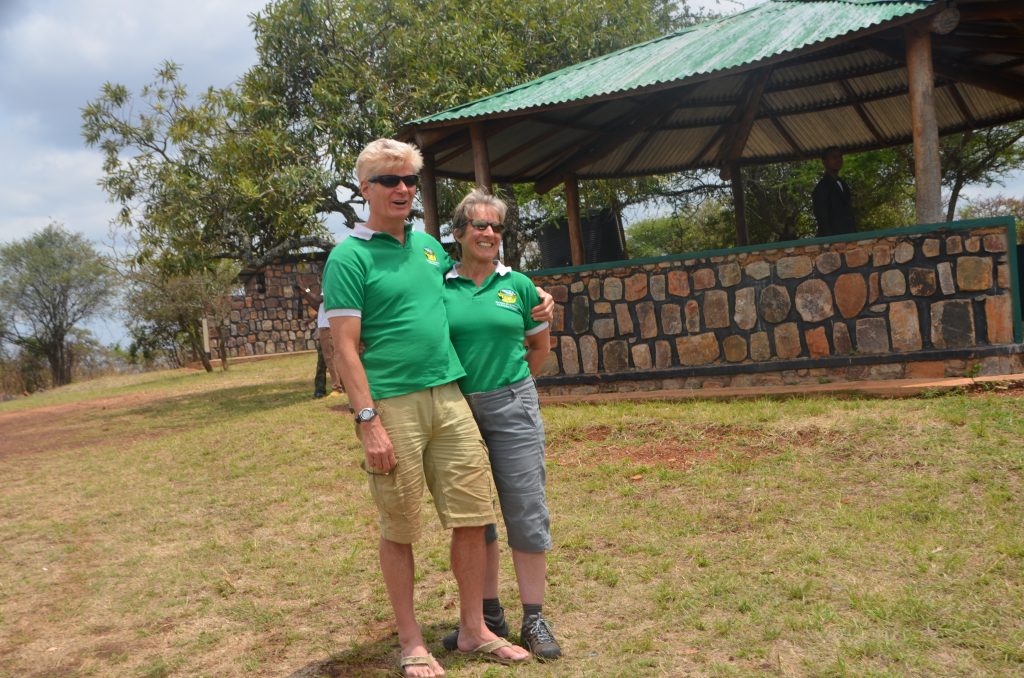
Sullivan’s Trust saw an opportunity where others saw an obstacle. If young Rwandans couldn’t see themselves in conservation, they would create the bridge.
In 2011, REAO was born from this vision—not as another environmental NGO, but as a movement rooted in a radical premise: the future of Rwanda’s environment depends on today’s high school students becoming tomorrow’s environmental defenders..
The Program: Where Learning Walks
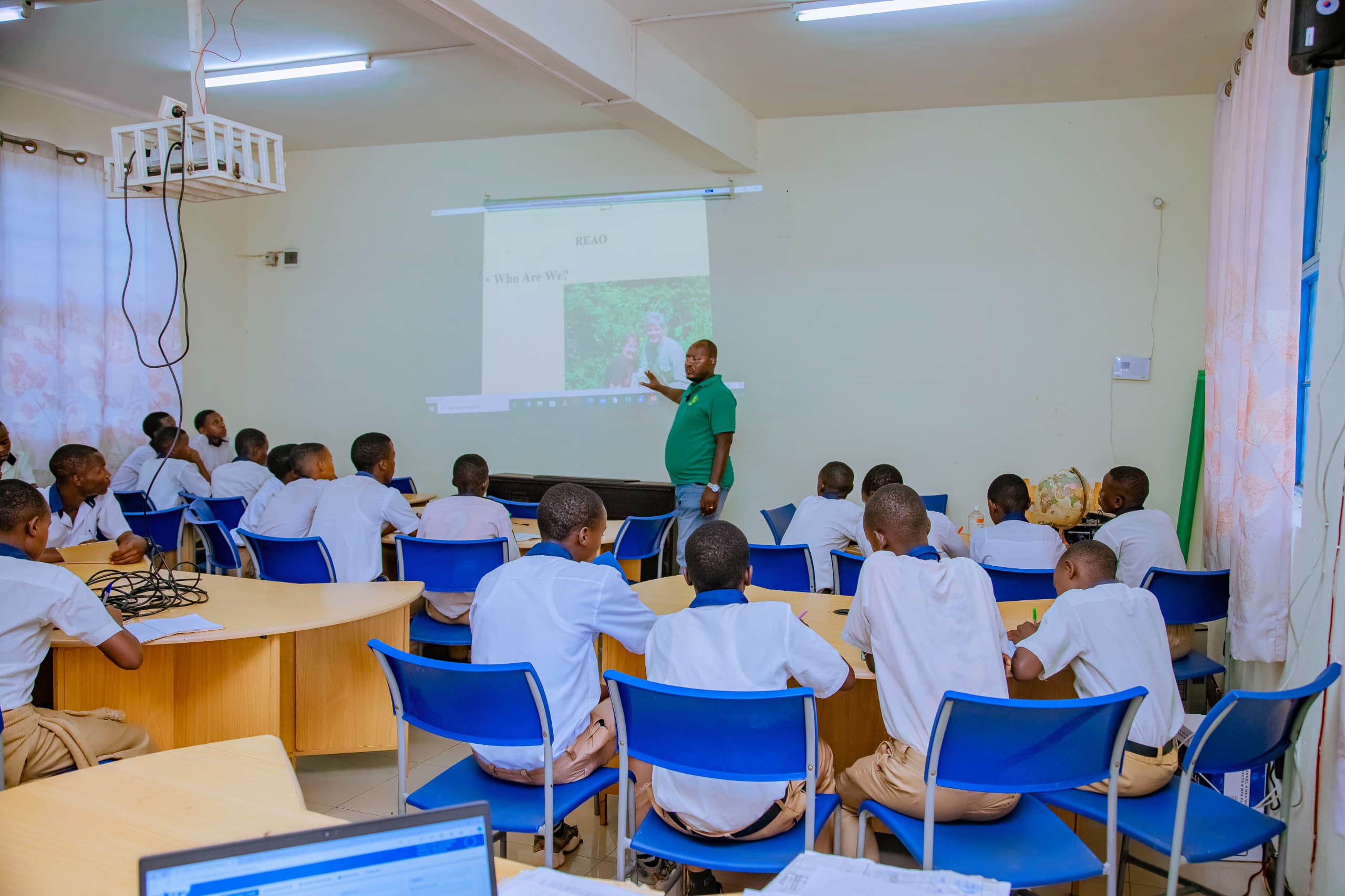
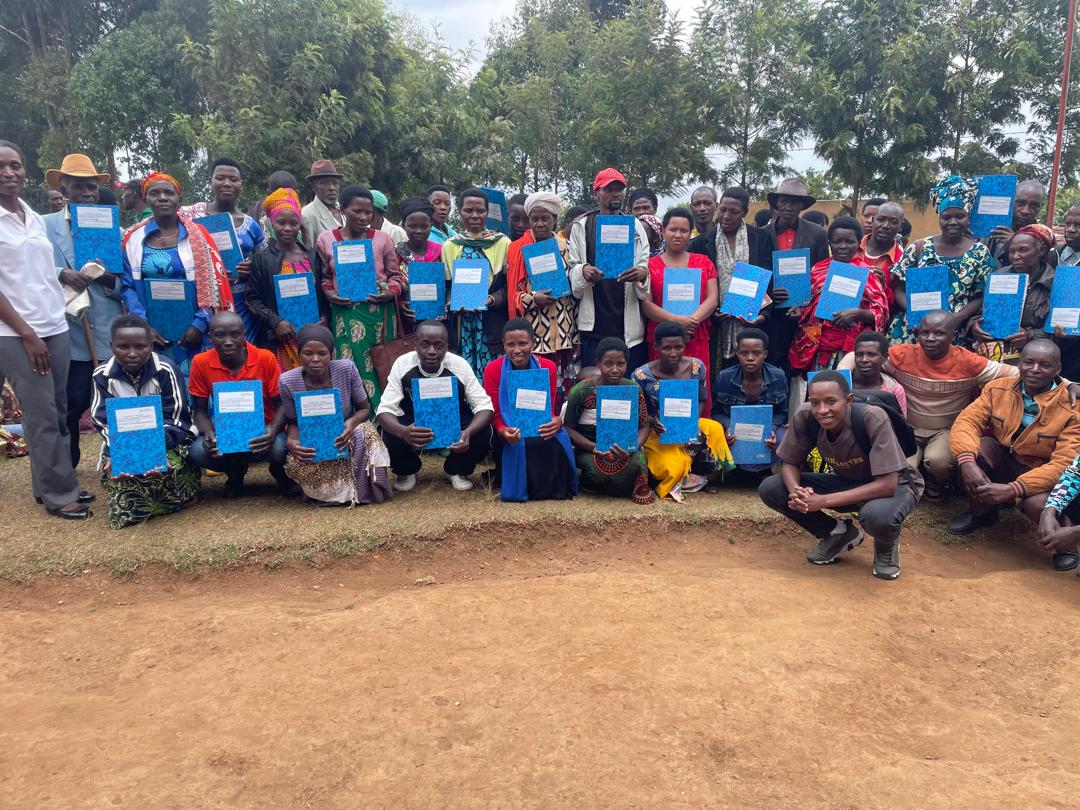
The Model: Every year since 2011, an average of 150 high school students from Rusizi, Kicukiro, and Gasabo districts embark on educational expeditions to Nyungwe and Akagera National Parks. But these aren’t casual field trips—they’re immersive conservation boot camps.
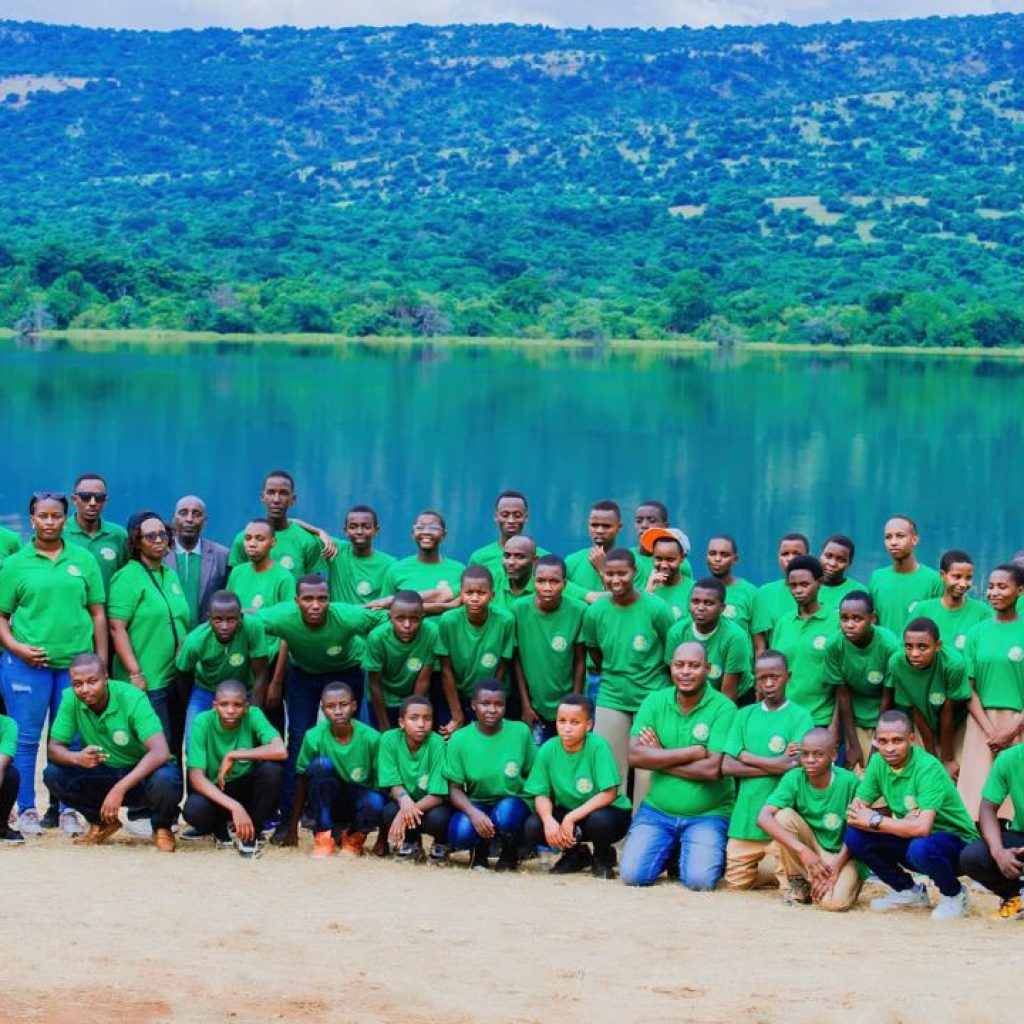
Core Curriculum in Action:
- Water and Soil Conservation: Students don’t just learn about watershed protection—they trace water sources, erosion patterns in real ecosystems
- Climate Action and Resilience: They observe, document species adaptation, understand how intact forests regulate regional weather patterns
- Biodiversity and Wildlife Stewardship: Face-to-face encounters with endemic species transform abstract concepts into personal responsibility
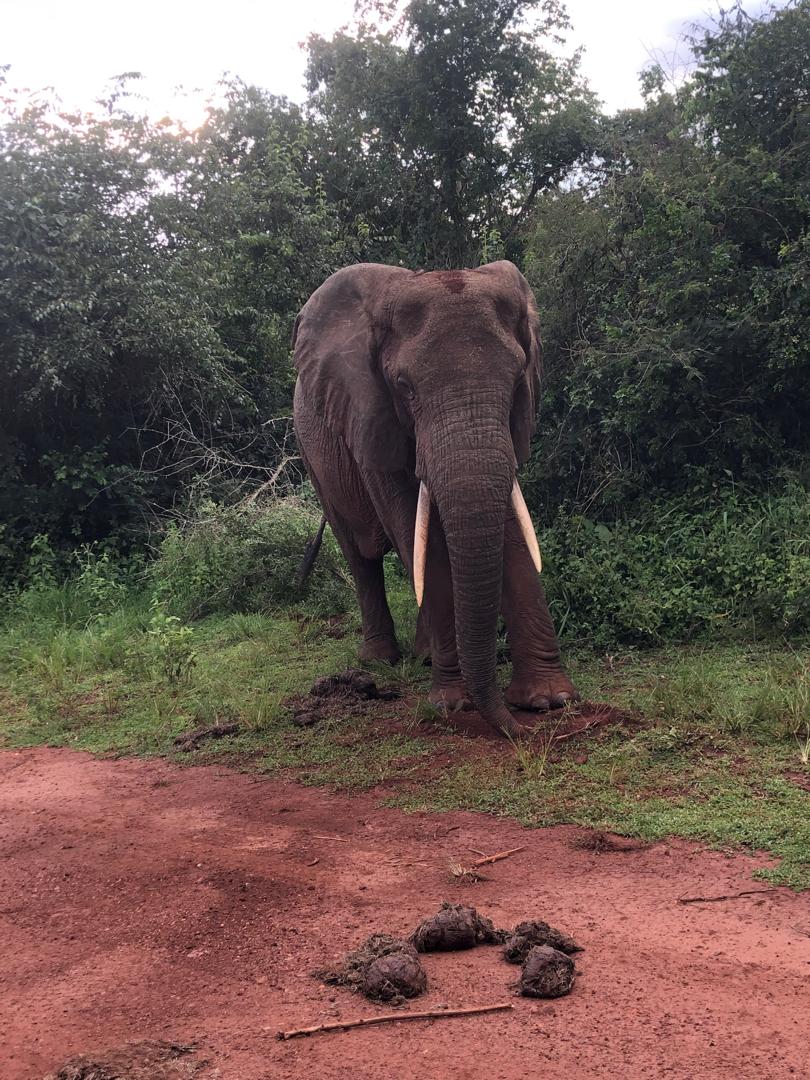
- Human-Nature Coexistence: Through dialogue with park rangers and local communities, students grapple with real conservation challenges—crop-raiding elephants, human-wildlife conflict, sustainable livelihoods
The Secret Ingredient: Every program is delivered in Kinyarwanda, by Rwandan educators, centering Rwandan ecological knowledge alongside global conservation science.
By the Numbers: 13 Years of Impact
Reach:
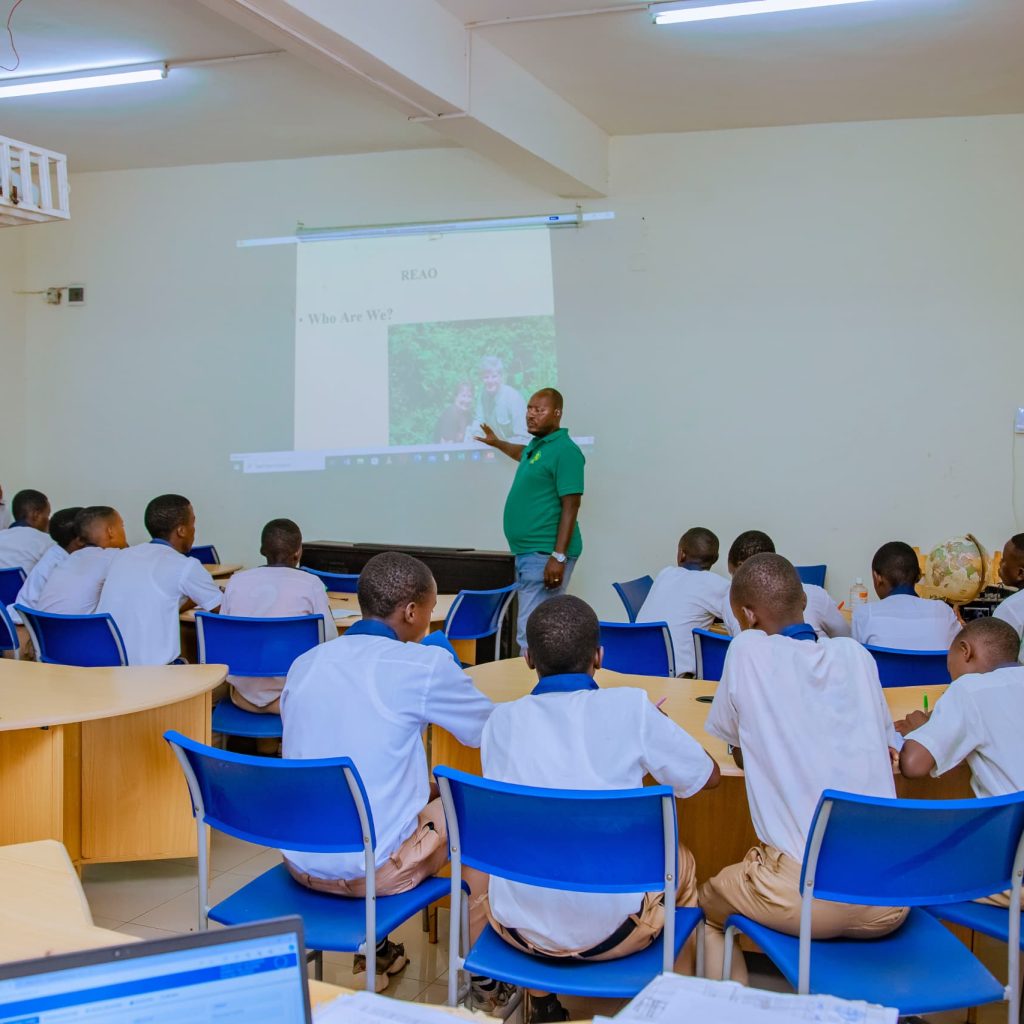
- 2,000+ students trained directly (2011-2024)
- 3 districts engaged through partner schools
- 24 educational expeditions to national parks
- 40+ environmental clubs established in participating schools
Environmental Outcomes:
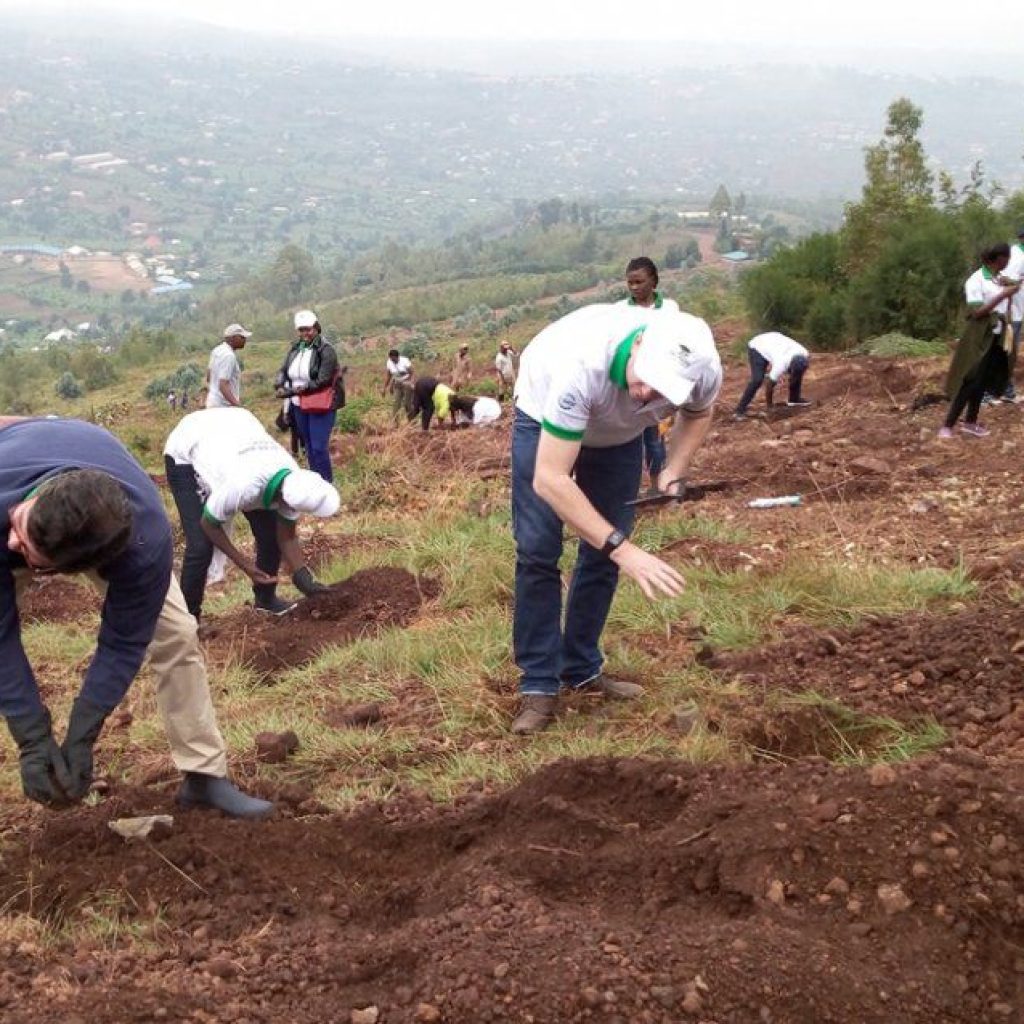
- 15,000+ indigenous trees planted by program alumni
- 8 community nurseries established and maintained by former participants
- 12 school-based biodiversity corridors created, connecting fragmented habitats
Ripple Effects:
- 30% of participants pursue environmental science or conservation careers
- 65% report “completely changed” environmental behaviors at home
- 89% become peer educators, training siblings and community members
The Human Story: Graduates Who Stayed
Jean-Claude, Class of 2015 : “When I first visited Nyungwe, I was a student who wanted to escape my rural village. The program taught me that my village’s future and the forest’s future were the same thing. Now I protect what I once took for granted.”
Esperance, Class of 2018 (Community Mobilizer, Rusizi District): “Before REAO, ‘environment’ was something for rich people and tourists. After walking through Akagera, touching volcanic soil in Nyungwe, I understood—this is our wealth. Our inheritance. I couldn’t stay silent.”
The Environmental Club Effect: Schools that have participated for 5+ years show measurable change:
- 78% reduction in plastic waste on campus
- School-led reforestation initiatives planting 200-500 trees annually
- Student-designed rainwater harvesting systems serving entire schools
Challenges Overcome
The Distance Barrier: Transporting students from urban centers to remote parks required securing reliable funding and transport partnerships. Solution: Building relationships with local government education departments and leveraging donor support specifically for logistics.
Safety and Inclusion: Ensuring girls’ equal participation in multi-day expeditions required addressing parental concerns and cultural barriers. Solution: Recruiting female rangers as role models, maintaining 50/50 gender participation minimums, transparent communication with families.
Sustaining Engagement: Students returned inspired but often lacked mechanisms to maintain momentum. Solution: Establishing environmental clubs with teacher sponsors, creating alumni networks, and developing ongoing mentorship structures.
Before and After: The Transformation
BEFORE:
- Students viewed environmental issues as abstract, distant problems
- National parks seen as “tourist attractions,” not national patrimony
- Low enrollment in environmental science fields
- Minimal youth engagement in local conservation efforts
AFTER:
- Students become active environmental advocates in their communities
- Shift from consumers to stewards—measurable behavior change in waste management, water use, energy consumption
- 300% increase in environmental science track enrollment in participating schools
- Youth-led initiatives emerging organically—clean-up campaigns, tree-planting drives, community education sessions
Looking Forward: The Next Decade
Sullivan’s Trust and REAO aren’t slowing down. The vision for 2025-2035:
- Scale to 500 students annually across all 30 districts
- Develop a Kinyarwanda conservation curriculum adopted nationally
- Create a youth conservation corps—paid summer positions for program alumni in national parks
- Launch a documentary series showcasing young Rwandan conservationists
- Establish endowment fund ensuring program sustainability for 50+ years
The Invitation
Environmental conservation isn’t won by policies alone—it’s won by people who’ve stood in ancient forests, tracked wildlife through savannah grass, felt the weight of responsibility that comes with witnessing beauty worth protecting.
Every student who joins this program doesn’t just learn about conservation. They become conservation.
Sullivan’s Trust Environmental Education Program is generously supported by donor-advised funds committed to grassroots environmental action. To support the next generation of Rwanda’s environmental leaders, or to learn how your school can participate, contact REAO
Categories:
Tags:
Most Recent
Leave a Reply