Your cart is currently empty!
Clean Air, Healthy Futures—RGB-UNDP Improved Cookstoves Initiative
Clean Air, Healthy Futures—RGB-UNDP Improved Cookstoves Initiative
The Smoke That Stole Breath
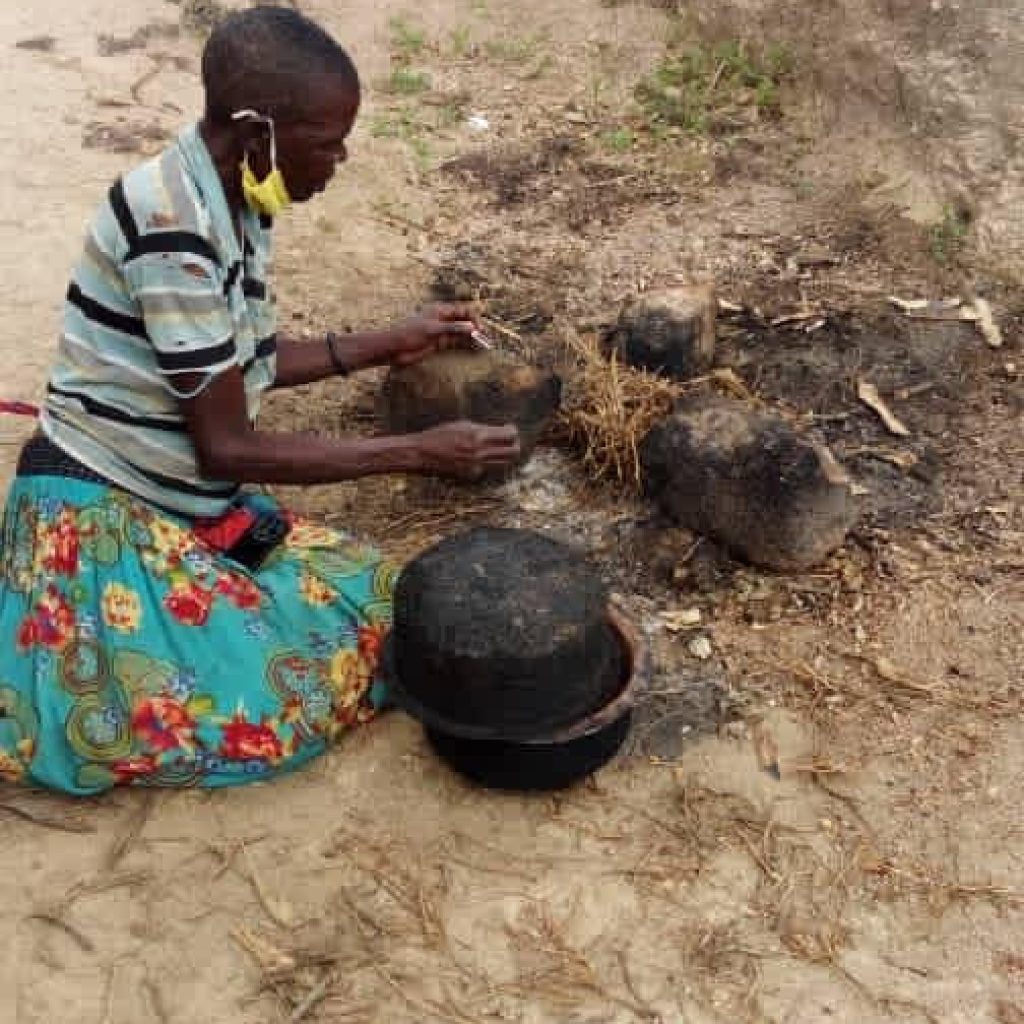
Nyagatare District, 2020 — Josephine woke each day at 4 AM. Not by choice, but by necessity. By dawn, she needed three meals’ worth of firewood collected, her children fed, and the house aired out from the previous night’s cooking smoke that clung to walls, lungs, and clothes.
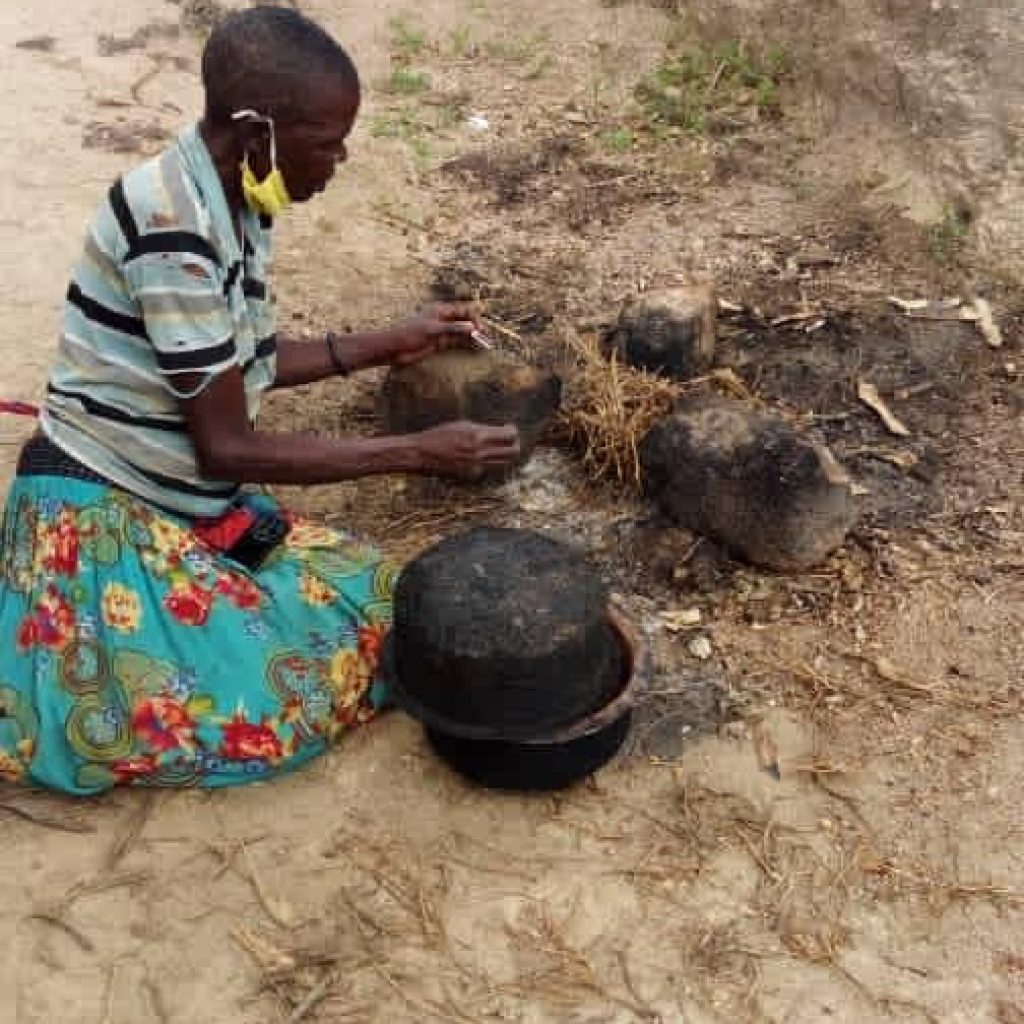
The traditional three-stone fire was more than a cooking method—it was a sentence. Four hours daily collecting increasingly distant firewood. Chronic respiratory infections in her children. Eyes that burned. A persistent cough that never quite left. And always, always, the smoke.
Josephine is among 1,200 women in Nyagatare’s Gatunda and Rukomo sectors whose lives were transformed by a deceptively simple innovation: an improved cookstove.
But this wasn’t just about stoves. It was about rewriting the equation between energy, health, environment, and women’s autonomy.
The Invisible Crisis: Cooking as Environmental and Health Catastrophe
In rural Rwanda, traditional cooking methods create intersecting crises:
Environmental Devastation:
- Each household using traditional stoves consumes 5-7 trees annually for firewood
- Deforestation accelerates soil erosion, reduces water retention, destroys wildlife habitat
- Women walk increasingly far to find wood—2-4 hours daily, often illegally harvesting from protected areas
Health Emergency:
- Indoor air pollution from cooking fires kills 4 million people globally each year
- Smoke exposure equivalent to smoking 2 packs of cigarettes daily
- Respiratory infections, eye disease, cardiovascular problems disproportionately affect women and children
- Burns and injuries from open fires
Economic Burden:
- 20-30% of household income spent on firewood/charcoal
- Time spent collecting wood is time not spent on income generation, education, or rest
- Healthcare costs for smoke-related illnesses
Gender Inequality:
- Cooking responsibility falls almost exclusively on women
- Time poverty limits education, economic participation, and personal development
- Physical toll from wood collection (back injuries, violence exposure during collection)
In Nyagatare, Rwanda’s driest region with already scarce tree cover, this crisis was acute. But in 2020, REAO partnered with RGB (Rwanda Governance Board) and UNDP to pilot a solution.
The Program: Women at the Center
The Vision: Transform cooking from an extractive, health-damaging burden into a sustainable, dignity-affirming activity while creating green jobs for the most vulnerable.
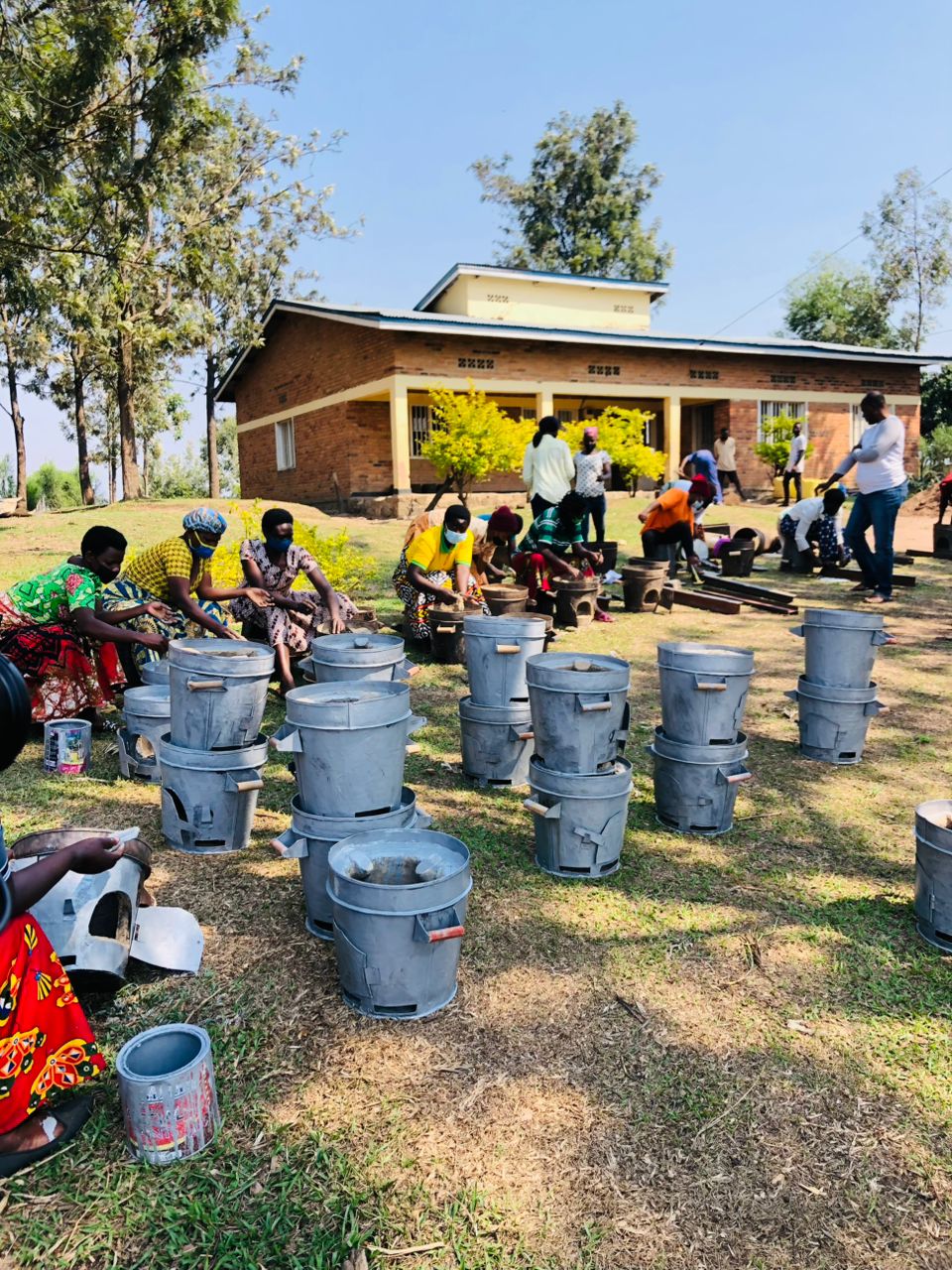
The Innovation: Improved Cookstoves (ICS) that:
- Reduce firewood consumption by 60-70%
- Eliminate 90% of harmful smoke through efficient combustion
- Cut cooking time by 40%
- Last 5+ years with minimal maintenance
The Genius: Don’t just distribute stoves—create a complete value chain where women control every step.
Phase 1: Gatunda Sector (2020-2021) “Improved Cooking Stoves: Enhancing Socio-economic and Health Conditions”
Phase 2: Rukomo Sector (2021-2022) “Enhancing Energy Efficiency for Environmental Conservation and Environmental Health Promotion”
Phase 3: Expansion and Sustainability (2022-2023) Scale-up and enterprise development
The Model: From Beneficiary to Business Owner
1. Sourcing and Production Training
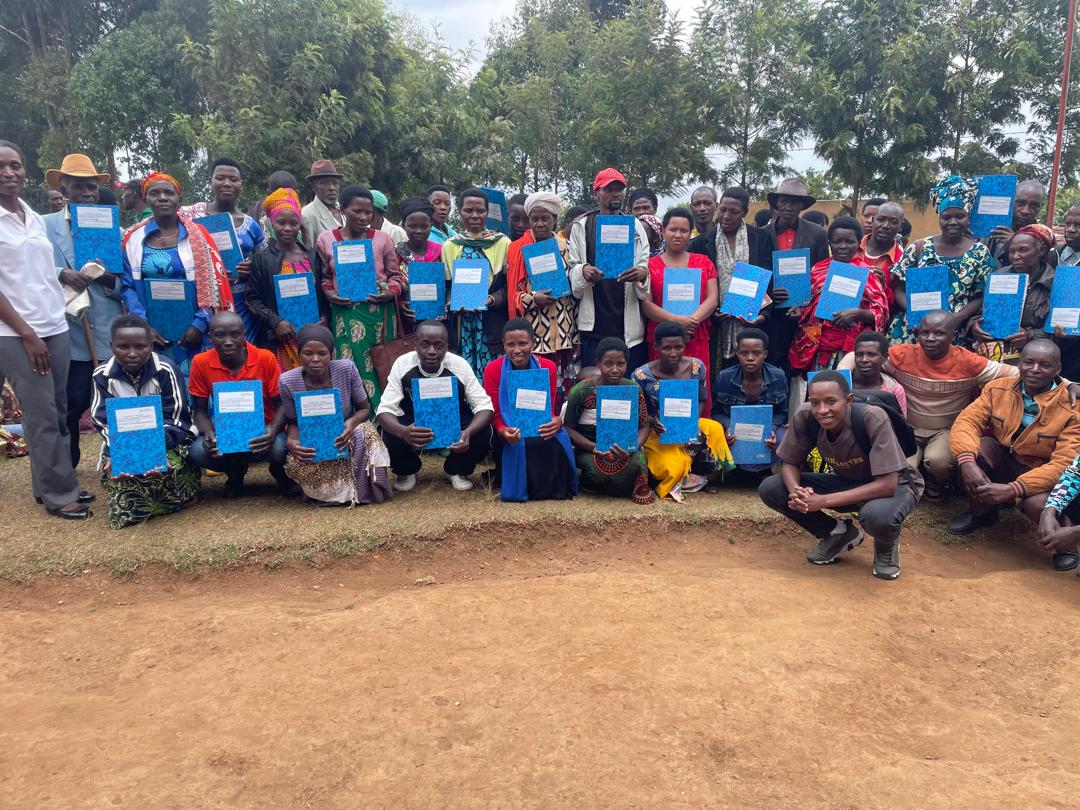
- 600 women trained in ICS production techniques
- Raw material sourcing from local suppliers (clay, metal, insulation materials)
- Quality control and standardization workshops
- Business management and cooperative formation
2. Manufacturing Enterprise
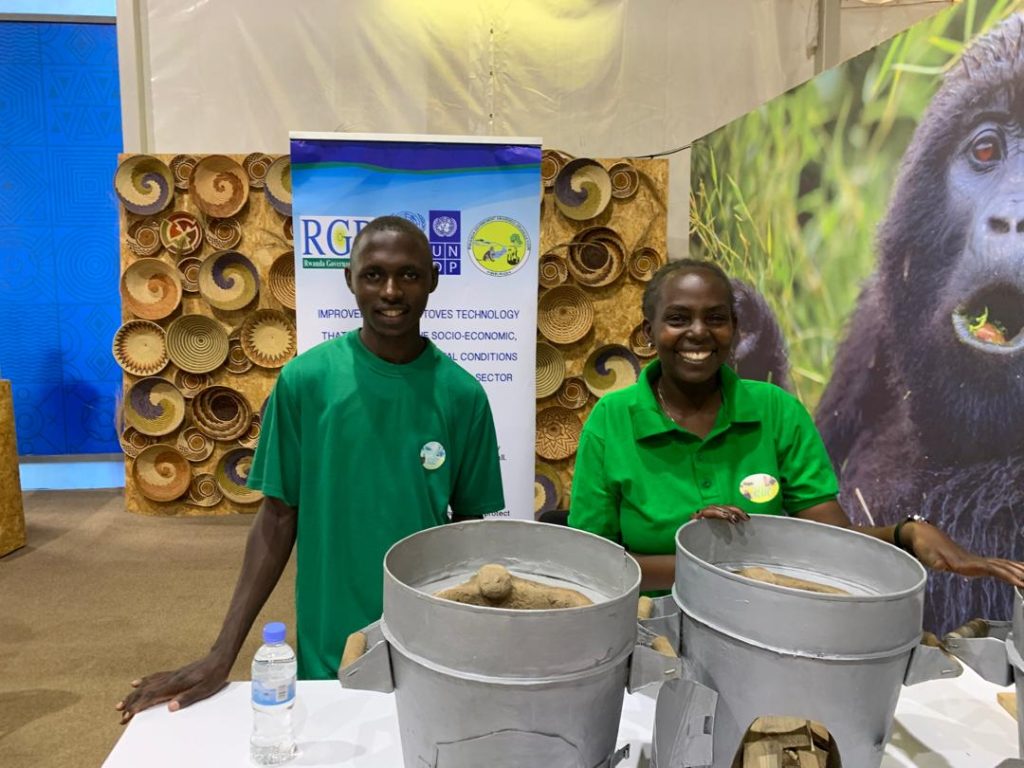
- 15 women-led production cooperatives established
- 6,000 stoves manufactured over three years
- Job creation: Each cooperative employs 20-40 women consistently
- Income generation: Women earn $50-$150 monthly—significant in rural context
3. Distribution and Adoption
- 1,200 households directly received ICS
- Priority given to teen mothers and female-headed households—most vulnerable populations
- Community sensitization on health and environmental benefits
- Follow-up support and maintenance training
By the Numbers: Three Years of Transformation
Production and Reach:
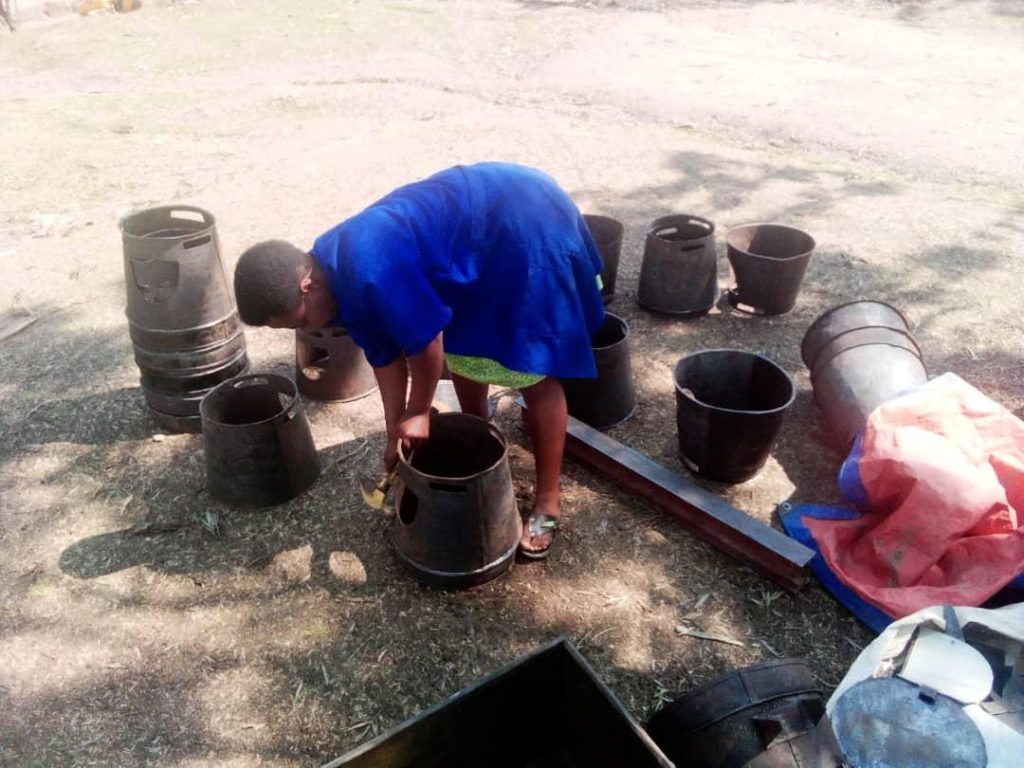
- 6,000 improved cookstoves produced and distributed
- 1,200 households using ICS daily (average 5 people per household = 6,000 direct beneficiaries)
- 15 women’s cooperatives operating as sustainable enterprises
- 600+ women employed in production chain
Environmental Impact:
- 24,000 trees saved annually (conservative estimate: 4 trees per household × 6,000 stoves)
- 70% reduction in firewood consumption per household
- Estimated 3,600 tons of CO2 emissions avoided annually
- Deforestation pressure reduced in targeted sectors, allowing natural regeneration
Health Outcomes:
- 90% reduction in indoor air pollution in participating households
- 63% decrease in respiratory infections among children in ICS households (health center data, 2021-2023)
- 78% of women report elimination of chronic cough and eye irritation
- Zero reported burn injuries from ICS (compared to 15-20 annually from traditional fires)
- Improved nutrition: Reduced cooking time allows more diverse meal preparation
Economic Benefits:
- 14 hours per week saved on firewood collection and cooking
- Women redirect saved time to: income generation (farming, small business), children’s education support, rest
- Cooperative members earn: $50-150 monthly in production income—critical for school fees, healthcare, food security
Gender Empowerment:
- Women control entire value chain: from production to profits
- Financial independence: Many women opening bank accounts for first time
- Decision-making power: Income gives women greater voice in household and community
- Role modeling: Teen mothers transition from dependency to enterprise leadership
The Human Story: Lives Rewritten
Chantal, 24, Teen Mother and Cooperative Founder: “I had my daughter at 16. Everyone said my life was over. When RGB-UNDP trained us, I learned I could make stoves, sell them, support myself. Now I employ 12 women. My daughter is healthy—no more coughing from smoke. I’m not a victim. I’m a businesswoman.”
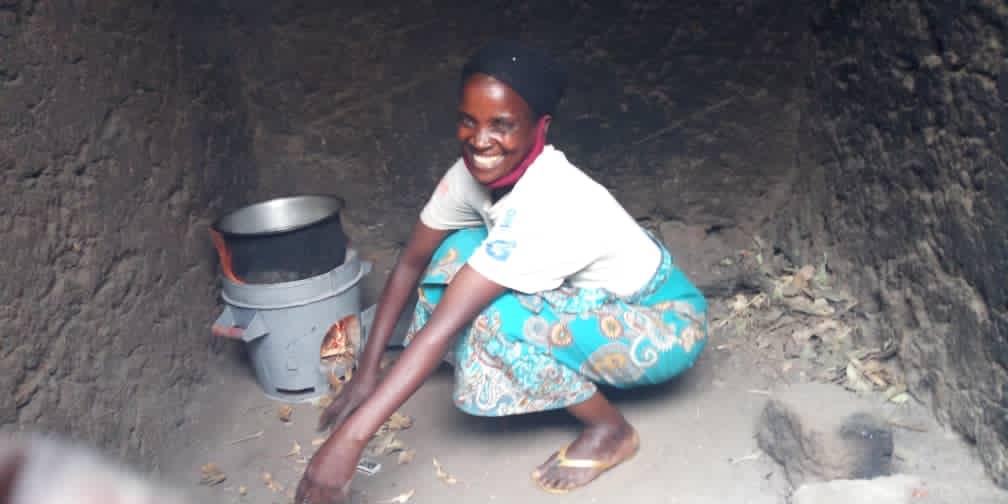
Immaculée, 38, Mother of Five: “I used to spend 15,000 RWF monthly on charcoal. Now I spend 4,000. The stove paid for itself in four months. My children stopped getting sick constantly. I used the saved money to buy a goat, then chickens. Last month, I paid my eldest daughter’s school fees without borrowing. This stove changed everything.”
Challenges Overcome
Initial Skepticism: Communities doubted that stoves could really work better than traditional methods. Solution: Demonstration cooking events, peer-to-peer testimonials, trial periods with money-back guarantee.
Quality Control: Early production variations led to some stove failures. Solution: Standardized training, quality assurance protocols, cooperative-to-cooperative mentoring.
Affordability: Even subsidized, stoves represented significant investment for poorest households. Solution: Payment plans, in-kind contributions (labor, materials), prioritizing most vulnerable for free distribution.
Cultural Resistance: Some families saw traditional cooking as cultural practice not to be changed. Solution: Emphasizing health of children and grandchildren, engaging male family members in education, respecting tradition while offering choice.
Sustaining Supply Chains: Ensuring consistent access to quality raw materials. Solution: Building relationships with local suppliers, bulk purchasing through cooperatives, developing local clay sources.
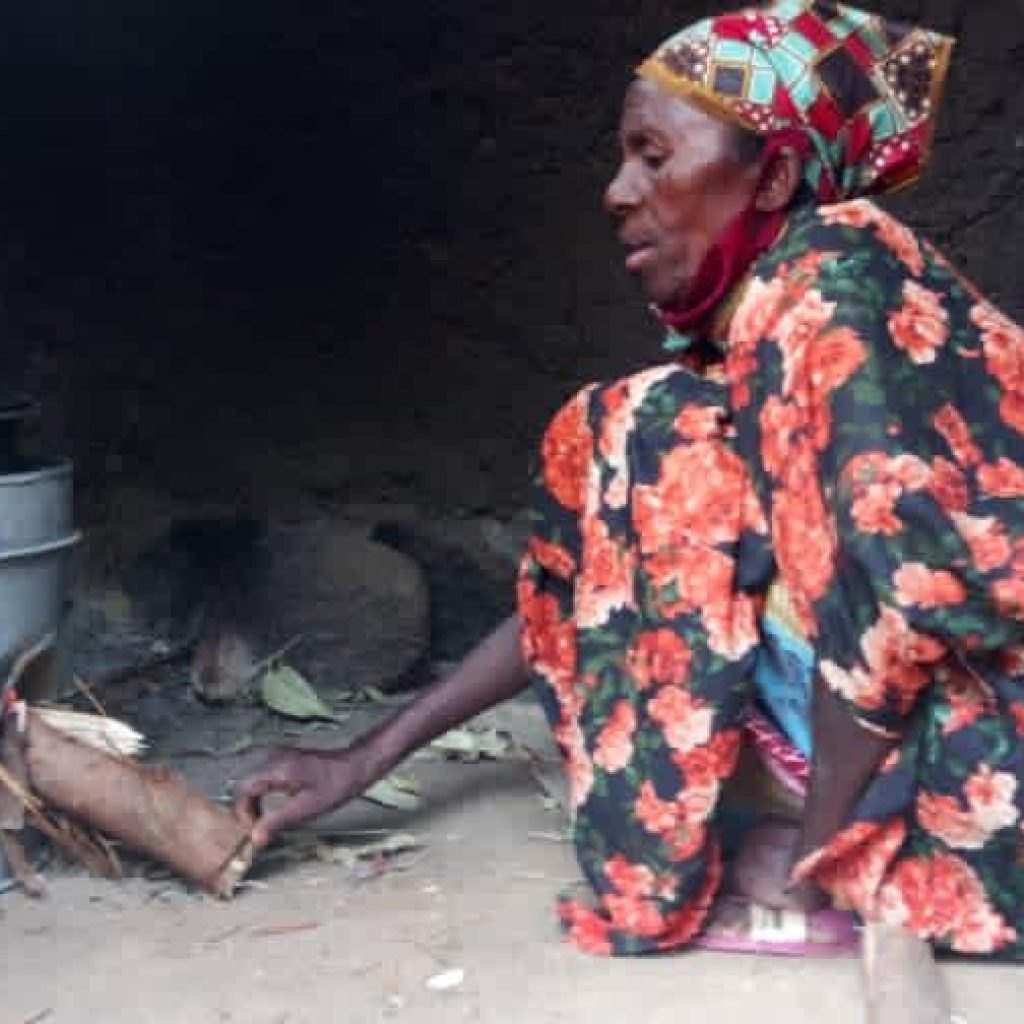
Before and After: A Day in Josephine’s Life
The Larger Impact: What Else Changed
Education:
- Children in ICS households show 22% better school attendance (fewer sick days)
- Women’s literacy classes see increased enrollment—time availability allows education
- Improved cognition in children (reduced smoke exposure during critical development years)
Community Health:
- Health centers in Gatunda and Rukomo report 40% decrease in respiratory cases since 2020
- Reduced healthcare system burden allows focus on other conditions
- Community-wide air quality improvement as adoption spreads
Social Capital:
- Women’s cooperatives become community leadership structures
- Cooperative members elected to local councils, sector advisory boards
- Young women see new role models and possibilities
Looking Forward: Scaling the Solution
2025-2027 Vision:
- Scale to 10,000 additional households across Nyagatare and neighboring districts
- Establish Regional Production Center—centralized training and quality control hub
- Carbon Credit Partnership—monetize emissions reductions to fund expansion
- ICS Plus: Integrate solar lighting, phone charging capabilities in next-gen stoves
- Male Engagement Program: Train men in maintenance and promotion to shift household dynamics
- School Stove Initiative: Install ICS in all primary schools in target districts
Sustainability Model:
- Transition from donor-funded to self-sustaining social enterprise
- Cooperatives operating independently with REAO as technical support
- Stove-as-a-Service: Lease-to-own models for poorest households
- Export potential: Adapting model for neighboring countries
The Real Story: Dignity
Improved cookstoves are technology. But what they really deliver is dignity.
Dignity to breathe clean air in your own home. Dignity to choose how to spend your time. Dignity to earn income and make decisions. Dignity to protect the environment without sacrificing your family’s wellbeing. Dignity to build a future where your daughter inherits possibility, not poverty.
When Josephine lights her improved cookstove now, she doesn’t just cook food. She cooks hope.
The RGB-UNDP Improved Cookstoves Initiative is implemented by REAO in partnership with Rwanda Governance Board and the United Nations Development Programme. To support program expansion or learn about social enterprise partnership opportunities, contact REAO.
Categories:
Tags:
Most Recent
Leave a Reply